
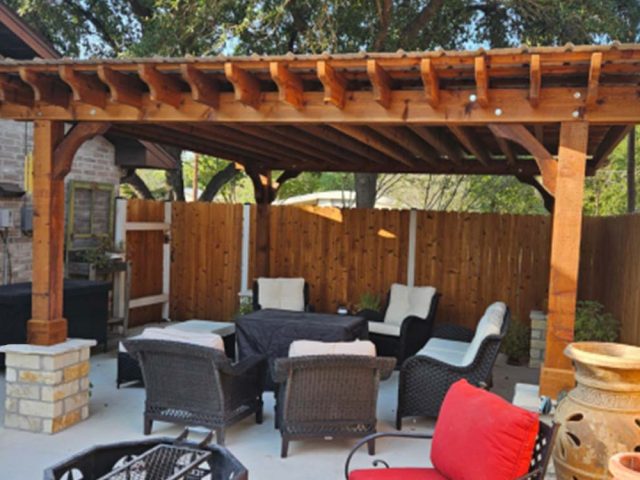
Maintaining an outdoor oasis in the Sooner State is a rewarding endeavor, but the climate presents unique challenges for homeowners. Between the intense sun and the heavy seasonal rains, your wooden fixtures are under constant pressure. If you’ve noticed your backyard centerpiece looking a bit weathered, seeking a professional Pergola Repair Service in Piedmont City, OK, is the first step toward reclaiming your outdoor space. Understanding the biology of wood decay is essential for any homeowner looking to extend the lifespan of their investment and ensure their patio remains a safe, beautiful environment for gatherings.
How to Prevent Wood Rot in Oklahoma’s Humid Summers
Oklahoma summers are famous for their “thick” air. When high temperatures mix with Gulf moisture, it creates a breeding ground for fungi. Wood rot isn’t just an aesthetic issue; it’s a structural one. To keep your deck, fence, or gazebo standing tall, you need a proactive strategy that addresses moisture management and surface protection.
The Science of Moisture and Fungi
What You Should Know is that wood rot is caused by specific types of fungi that thrive in moist environments. These organisms feast on the cellulose and lignin in wood fibers. In Piedmont, where humidity levels can soar, wood that stays damp for more than 24 to 48 hours becomes a prime target.
- Air Circulation: Ensure there is at least a few inches of clearance between your wooden structures and dense landscaping. Bushes that rub against wood trap moisture and prevent the sun from drying the surface.
- Ground Contact: Ideally, wooden posts should never sit directly on dirt. Using concrete footings and metal stand-off brackets keeps the “wicking” effect at bay.
Selecting the Right Protective Sealants
The first line of defense against the elements is a high-quality sealant. Not all stains are created equal, and choosing the right one for our local climate is vital.
- Oil-Based Stains: These penetrate deep into the wood grain, providing a flexible barrier that won’t peel under the scorching July sun.
- Water-Repellent Preservatives: Look for products containing copper naphthenate or zinc naphthenate, which act as a fungicide to kill rot-causing spores on contact.
- UV Inhibitors: Much like human skin, wood suffers from UV damage. A tinted sealer reflects harmful rays, preventing the wood from “checking” or cracking, which would otherwise allow water to seep into the core.
Managing Drainage and Runoff
Proper irrigation and gutter placement play a massive role in timber preservation. If your home’s gutters overflow directly onto your deck or the base of your pergola, you are fast-tracking the decay process.
- Gutter Maintenance: Keep gutters clear to ensure water is diverted away from wooden structures.
- Sloping: Ensure the soil around your backyard features is sloped away from the base to prevent “puddling” during spring thunderstorms.
- Flashing: Installing metal flashing where a deck or pergola meets the house prevents water from getting trapped in the ledger board—a common “hidden” rot spot.
Professional Inspection and Structural Care
Sometimes, despite our best efforts, the environment wins. This is particularly true if your structure was built with non-treated lumber or has gone several years without a fresh coat of sealant. Identifying soft spots early can mean the difference between a simple board replacement and a full-scale demolition.
When weather damage starts on outdoor wood structures, it often begins at the joints and end-grains. These areas act like straws, sucking moisture deep into the beam where it cannot evaporate. If you notice discoloration, a fuzzy texture, or if the wood feels soft when pressed with a thumbnail, the structural integrity is already being compromised.
If you find yourself overwhelmed by the scale of the damage, New Covenant Roofing & Construction offers specialized expertise in outdoor carpentry and structural reinforcement. Their team understands the specific environmental stressors of the Oklahoma landscape, providing homeowners with long-term solutions that go beyond a simple “quick fix” to ensure every beam and joist is sound.
Consistency is Key
Preventing wood rot is not a “one and done” task. It requires an annual inspection and a commitment to maintenance every two to three years. By staying ahead of the humidity and addressing small cracks before they turn into deep fissures, you can enjoy your outdoor sanctuary for decades to come.