
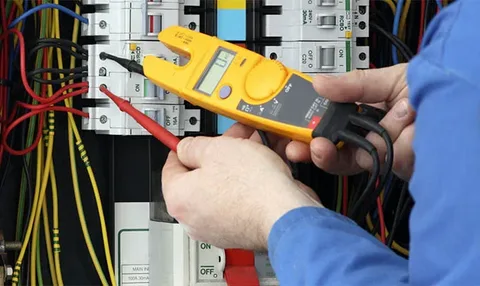
Living in the Sunshine State comes with many perks, but a spiking utility bill isn’t one of them. If you’ve noticed that your monthly costs are significantly higher than your neighbors’ in Westchase or South Tampa, it’s rarely just a matter of leaving the lights on. What You Should Know is that several localized factors—ranging from home age to environmental exposure—impact how much power your property consumes. To get to the root of these inefficiencies, many homeowners rely on professional Electrical Services in Tampa, FL, to perform energy audits and system calibrations.
1. The “Historic Home” Tax on Efficiency
Tampa is famous for its beautiful, historic bungalows in areas like Ybor City and Old Seminole Heights. While these homes have immense character, they weren’t built with modern thermal dynamics in mind.
- Lath and Plaster Walls: These hold heat longer than modern drywall, forcing your AC to work overtime.
- Single-Pane Windows: Many older homes still have original windows that allow cool air to leak out and humid Florida heat to seep in.
- Outdated Attic Insulation: Over the decades, insulation settles and loses its R-value, turning your attic into an oven that radiates heat downward.
Upgrading to energy-efficient LED lighting and ensuring your electrical panel can handle modern, high-efficiency HVAC units are the first steps toward lowering those costs.
2. Proximity to the Coast and Humidity Levels
Neighborhoods closer to Old Tampa Bay or the Hillsborough River often face higher humidity levels. High humidity doesn’t just make you feel warmer; it makes your air conditioner work twice as hard to dehumidify the air before it can effectively cool the room.
If your home is in a high-humidity zone, your HVAC electrical connections must be in peak condition. Even a small amount of corrosion on the exterior disconnect can cause the unit to draw more amperage, leading to a “phantom” increase in your power bill. Doolbar Electrical Contracting Service LLC often finds that cleaning and tightening these connections can restore a unit’s efficiency overnight.
3. The “Heat Island” Effect in Urban Centers
In densely populated areas like Downtown Tampa or Sparkman Wharf, the abundance of asphalt and concrete creates “heat islands.” These materials absorb solar radiation during the day and release it at night, keeping the ambient temperature around your home higher than in more rural, wooded areas like Lutz or Brandon.
Because the exterior temperature stays high, your cooling system never gets a “break,” leading to massive consumption. In these zones, installing smart home energy monitors is a great way to track real-time usage and identify which appliances are the biggest offenders.
4. Aging Appliances and Phantom Loads
Even in newer developments, the age of your appliances matters. A refrigerator or water heater that is over 10 years old can be 30% less efficient than a modern Energy Star-rated model. Furthermore, “phantom loads”—energy drawn by electronics that are plugged in but not in use—can account for up to 10% of a monthly bill.
If you are using power strips that are decades old or have flickering displays on your oven or microwave, it might be time to rewire specific kitchen circuits or upgrade to “smart” outlets that cut power to devices when they are in standby mode.
5. Faulty Ductwork and Air Leaks
Your electrical system powers the blower that moves air through your home. If your ductwork has leaks (common in older Tampa homes), that cooled air is being dumped into your crawlspace or attic. This causes the thermostat to keep the system running indefinitely. While this feels like an AC issue, it is fundamentally an energy management problem.
A professional electrician in Tampa can help you coordinate with HVAC specialists to ensure your dedicated appliance circuits aren’t being stressed by a system that is constantly cycling on and off due to poor airflow.
6. Solar Exposure and Lack of Canopy
Look at your neighborhood from above. Does it have a thick canopy of oak trees, or is it a new construction site with tiny saplings? Neighborhoods with mature trees stay significantly cooler. If your roof is under direct sunlight for 10 hours a day, your attic temperature can reach 150°F.
What You Should Know is that installing attic fans or solar-powered vents can drastically reduce this heat load. Doolbar Electrical Contracting Service LLC can assist in wiring these ventilation systems to ensure they operate safely and autonomously, keeping your home’s “head” cool and your bills manageable.
Summary of Energy-Saving Tips for Tampa Residents
Strategy Impact Level Recommended Professional
Smart Thermostat Installation by a Highly Licensed Electrician
LED Retrofitting Medium General Contractor/DIY
Attic Fan Wiring High Doolbar Electrical Contracting Service LLC
Weather Stripping Low Homeowner
Taking Control of Your Utility Costs
High energy bills are rarely the result of a single problem; they are usually the sum of several small inefficiencies. From the salt-air corrosion on your outdoor units to the outdated wiring in your walls, every component of your home’s infrastructure plays a role in your monthly expenses.
By identifying the specific needs of your neighborhood—whether it’s the heat of the city or the humidity of the coast—you can make targeted upgrades that pay for themselves in months.