
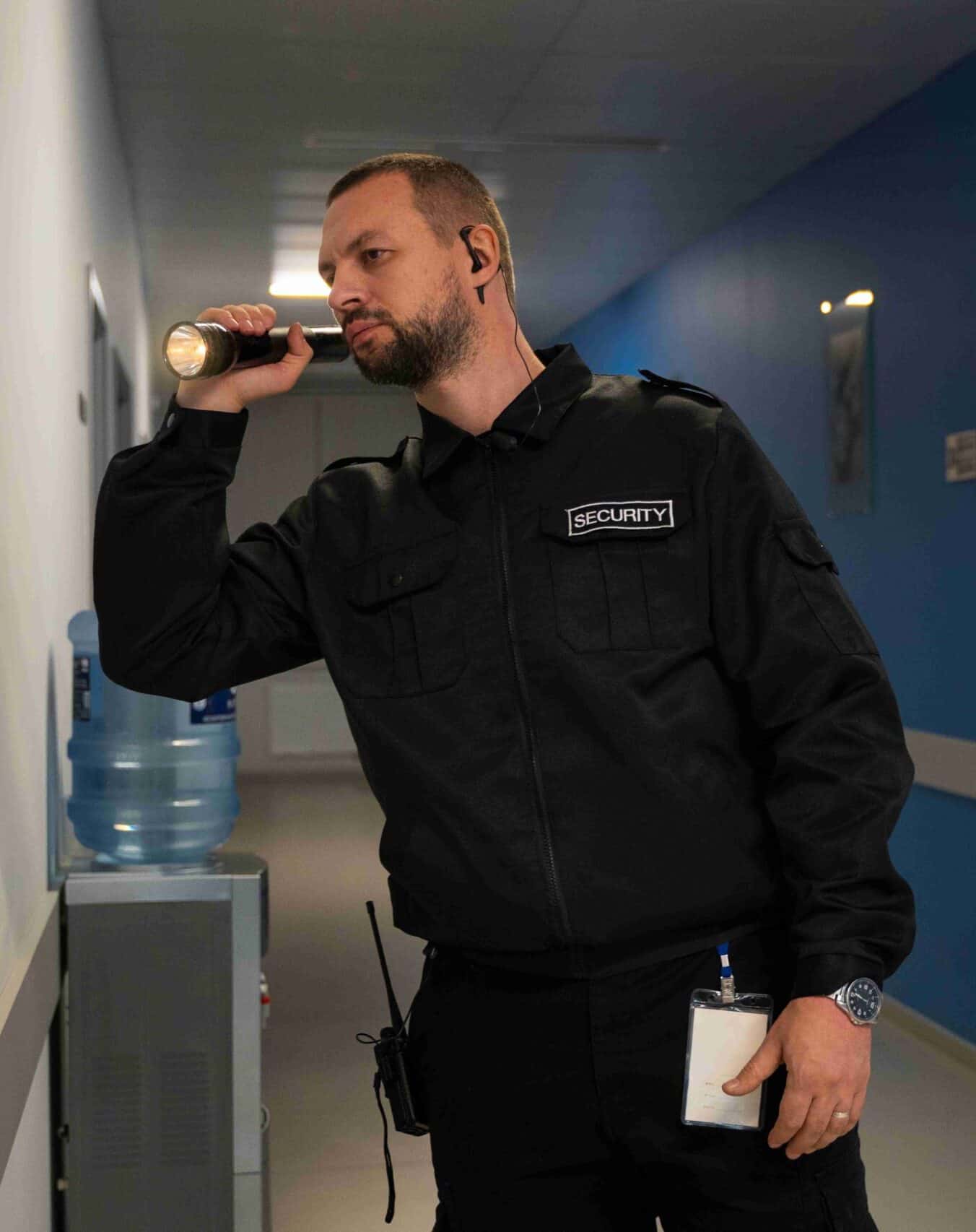
Securing a business requires a deep understanding of local crime patterns and environmental vulnerabilities. For business owners in the Fourth Largest City, the demand for Security Guard Services in Houston, TX, has surged as commercial hubs face evolving threats. What You Should Know is that criminals often target specific “soft spots” within a property where they feel they can operate without being detected. By identifying these high-risk zones, you can implement a more effective defense strategy that goes beyond basic locks and alarms.
The Vulnerability of Parking Structures and Loading Docks
Statistically, the highest percentage of crimes at commercial properties occurs in the parking lot or garage. These areas provide ample hiding spots and multiple escape routes. Dark corners and poorly monitored levels are magnets for vehicle burglaries, catalytic converter thefts, and even personal robberies.
- Loading Docks: These are often left open for deliveries, providing easy access for unauthorized personnel to enter the building or for internal theft to occur.
- Perimeter Blind Spots: Areas shielded by dense landscaping or dumpsters provide the cover needed for intruders to bypass standard perimeter security measures.
Professional firms like Nationwide Investigation & Security, Inc. recommend scheduled patrols in these zones to ensure that a physical presence is always felt, discouraging potential offenders before they strike.
High-Traffic Lobbies and After-Hour Access Points
Retail and office properties face a constant influx of people, making it difficult to distinguish between a legitimate customer and a potential threat. In high-rise office buildings, the lobby is the primary gatekeeper. If the front desk security is lax, an intruder can easily tailgate behind an employee into restricted zones.
During after-hours, the risk shifts to side entrances and service elevators. Criminals look for doors that haven’t latched properly or windows that lack reinforced glass. Utilizing night watchmen or remote CCTV monitoring becomes essential during these “dark hours” to protect expensive IT infrastructure and sensitive company data.
Internal Shrinkage and Employee-Only Zones
Crime isn’t always external. Retailers, in particular, face significant losses from internal “shrinkage”—theft committed by employees or contractors. Stockrooms and cash offices are high-risk areas that require strict access control systems.
When a business lacks a clear chain of command or oversight in these private areas, the temptation for theft increases, Nationwide Investigation & Security, Inc. often suggests that a combination of human oversight and digital logging is the best way to maintain transparency in employee-only sections.
The Strategic Importance of On-Site Personnel
Determining which on-site protection is best for commercial properties depends on the specific layout and the type of assets being protected. For instance, a retail strip mall might benefit most from visible uniformed officers who can deter shoplifters, while a corporate headquarters might require specialized executive protection for high-ranking officials. Integrating human intelligence with physical barriers ensures that even if one layer of security is breached, another is ready to respond.
Environmental Design: The CPTED Approach
Crime Prevention Through Environmental Design (CPTED) is a concept used by professional security consultants to reduce crime risks naturally. This includes:
- Natural Surveillance: Designing landscapes so that all areas are visible from the street or the main building.
- Territorial Reinforcement: Using fences, signage, and pavement designs to clearly define the transition from public to private space.
- Maintenance: A property that looks well-cared-for (clean windows, working lights) signals to criminals that the area is actively monitored.
By combining these design elements with Security Guard Services in Houston, TX, property managers can create a hostile environment for criminals while maintaining a welcoming atmosphere for tenants and patrons.
Conclusion: Proactive vs. Reactive Security
The cost of a security breach goes far beyond the initial loss of property; it damages your brand’s reputation and can lead to increased insurance premiums. Moving from a reactive stance—calling the police after the crime—to a proactive stance is the key to long-term safety. Whether it’s through armed response teams or comprehensive background checks for all building staff, identifying your risks is the first step toward total peace of mind.