
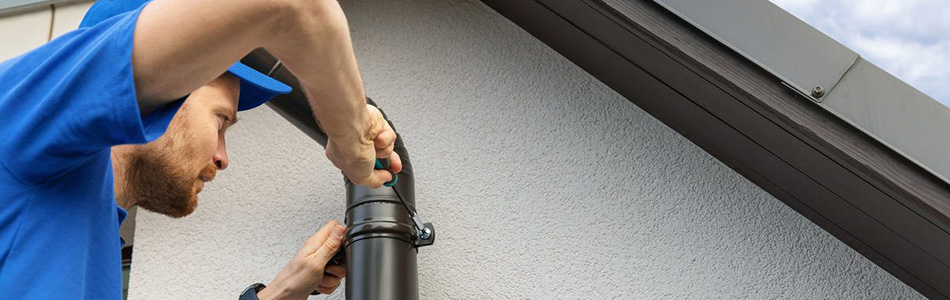
When homeowners think about foundation repair, they often envision heavy machinery and expensive hydraulic piers. However, the best way to avoid those costs is by looking at your roofline. Your drainage system is the primary defense against soil erosion and hydrostatic pressure. If your current troughs are leaking, sagging, or overflowing, it is time to consider Expert Gutter Replacement in Oklahoma City, OK. By ensuring that rainwater is captured and moved far away from your property, you prevent the ground around your home from becoming a saturated sponge that threatens your structural stability.
The Connection Between Water and Your Foundation
The soil in many regions is expansive, meaning it swells when wet and shrinks when dry. This constant movement is what causes foundation cracks. When gutters fail, water dumps directly at the base of your home, leading to several critical issues:
- Hydrostatic Pressure: Massive amounts of water accumulating against the foundation walls create immense pressure, eventually forcing moisture through solid concrete.
- Soil Erosion: Heavy runoff can wash away the dirt supporting your concrete slab or crawlspace, leading to “settlement” or sinking.
- Basement Flooding: If water isn’t diverted, it finds the path of least resistance—usually through your basement windows or floor cracks.
Upgrading to a high-capacity drainage system ensures that even during a heavy downpour, the volume of water is handled efficiently without spilling over the sides.
What You Should Know: Signs Your Foundation is at Risk
It isn’t always obvious that your gutters are the culprit behind foundation issues. You need to look for specific “red flags” around the perimeter of your house. If you see deep trenches in the mulch or dirt directly under the eaves, your gutters are overshooting or leaking. Similarly, if you notice cracks in your drywall inside the house or doors that no longer latch correctly, the ground may already be shifting due to poor rainwater management.
A professional inspection from New Covenant Roofing LLC can help determine if your current setup is undersized for your roof’s pitch. Often, older homes were fitted with 5-inch gutters that simply cannot keep up with modern storm patterns, necessitating an upgrade to 6-inch seamless aluminum gutters.
Investing in Long-Term Protection
Modern gutter technology has come a long way. Older sectional gutters are prone to “snagging” debris at every seam, leading to clogs that cause water to back up under your shingles. This can lead to roof deck rot and damaged fascia boards. By switching to a seamless design, you eliminate those weak points.
When you decide to choose the right type of gutters, you should consider the specific rainfall intensity of your area. Oversized downspouts and leaf guards can be added to ensure that the system remains maintenance-free. This proactive approach saves thousands of dollars in potential foundation remediation and landscaping repairs down the line.
Why Professional Installation Matters
It is one thing to buy the materials, but it is another to ensure the “pitch” or slope is mathematically correct. If the gutters are too flat, water will sit and rust the metal; if they are too steep, they will look crooked and overflow the downspout capacity. New Covenant Roofing LLC utilizes precision leveling to ensure every drop of water moves toward the exit point at the optimal speed.
Using Expert Gutter Replacement in Oklahoma City, OK, also means getting access to heavy-duty hidden hangers. These fasteners are much stronger than the old-fashioned spikes and ferrules, ensuring that your gutters stay attached to the house even when filled with heavy ice or snow during the winter months.
Final Thoughts on Home Preservation
Upgrading your gutters is one of the most cost-effective “insurance policies” you can buy for your home. By controlling where the water goes, you maintain the integrity of your siding, your landscaping, and—most importantly—the very foundation your home sits upon. Don’t wait for a cracked slab to tell you that your drainage is failing.