
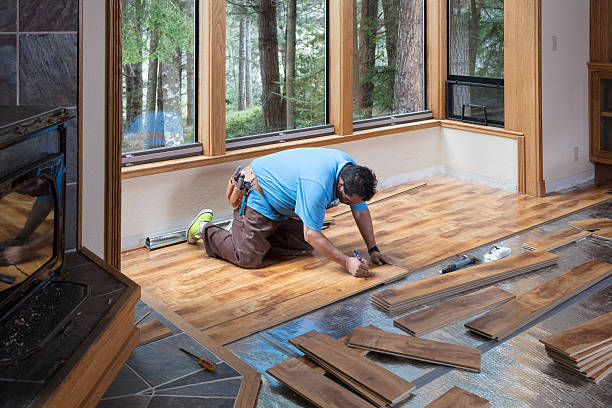
Deciding to upgrade your home is an exciting milestone, but in the Lone Star State, timing is everything. Because of our extreme temperature swings and unpredictable humidity, the success of your renovation often depends on the calendar. If you are looking for Custom Flooring Services in Canyon Lake, TX, understanding the local climate is the first step toward a flawless finish. While many homeowners wait for a holiday or a tax refund to start their projects, the “when” can be just as important as the “what” when it comes to material expansion, adhesive curing, and contractor availability.
Here is a breakdown of what you should know about timing your floor replacement in Texas to get the best results for your home.
The Autumn Window: The “Sweet Spot” for Installation
For most professionals, the months between late September and November are considered the golden era for home improvements. Why? Because the oppressive summer heat has faded, but the bone-chilling Nor’easters haven’t yet arrived.
- Humidity Control: Most materials, especially solid hardwood flooring and laminate, are hygroscopic, meaning they absorb moisture from the air. The stable humidity levels in autumn prevent the planks from swelling or shrinking too drastically after installation.
- Optimal Ventilation: Replacing floors often involves adhesives, stains, or thin-set that can emit odors. Fall weather allows you to keep windows open for fresh air circulation without sending your electricity bill skyrocketing.
- Holiday Readiness: Getting your residential floor renovation completed in October ensures your home is guest-ready before Thanksgiving and Christmas.
Winter: The Season of Stability (and Savings)
While it might seem counterintuitive, winter is an excellent time for interior work in Texas. Unlike northern states, our ground rarely stays frozen, meaning material transport isn’t an issue.
What You Should Know: During winter, the air is naturally drier. This is the best time to install moisture-sensitive materials because they are at their most “shrunken” state. If you install wood during a dry winter and leave proper expansion gaps, you won’t have to worry about the floor “buckling” when the humid spring arrives. Additionally, many contractors have more openings in January and February, which might lead to more flexible scheduling for your project.
Spring: The Humidity Challenge
Spring in the Hill Country is beautiful, but it brings significant moisture. If you are planning a waterproof flooring upgrade—such as installing Luxury Vinyl Plank (LVP) or porcelain tile—spring is a perfectly fine time to work. These materials aren’t affected by the damp air.
However, if you are opting for natural timber, spring requires extra caution. Materials must be “acclimated” to your home’s internal environment for at least 48 to 72 hours before a single plank is nailed down. A professional team, like the experts at Magic Crown and Remodeling, will use moisture meters to ensure your subfloor and your new planks are within the correct percentage range before starting.
Summer: The High-Demand Season
Summer is the busiest time for the home improvement industry. While the heat is intense, many families choose this time because kids are out of school and vacation schedules make it easier to clear out a room for work.
If you choose a summer installation, your HVAC system becomes your best friend. You must keep your air conditioning running at a consistent temperature to mimic the “lived-in” conditions of the home. This prevents adhesive failure or the premature drying of grout, which can lead to cracking in your tile and stone installations.
Key Related Keywords to Consider for Your Project
When researching your upgrade, keep these industry terms in mind to ensure you are getting a modern, high-quality result:
- Subfloor Leveling: Essential for large-format tiles to prevent “lippage.”
- Moisture Barrier Underlayment: A must-have for any ground-floor installation over concrete slabs.
- Wear Layer Thickness: The most important spec when choosing durable vinyl or laminate.
- Dustless Sanding: A modern technique used during hardwood refinishing to keep your home clean.
Why Local Expertise Matters
Canyon Lake homes often deal with unique challenges, such as sloping lots and rocky foundations. A “big box” store subcontractor might not understand the specific needs of a lakefront property or a Hill Country ranch.
By choosing Magic Crown and Remodeling, you work with a team that understands how Texas soil shifts and how local weather affects different types of wood and tile. This local knowledge helps prevent future damage and keeps floors strong for years. Whether you want a slip-resistant surface for an outdoor patio or a modern indoor upgrade inspired by Top Interior Design Trends, the right professionals make sure your flooring looks great and lasts for decades—not just a few seasons.
Conclusion: Making the Final Decision
When is the best time? If you want the most stable environment for wood, aim for Fall or Winter. If you are installing tile or waterproof vinyl and want to be ready for summer pool parties, Spring is your best bet.
The most important factor isn’t just the month on the calendar—it’s the preparation. Ensure your home’s climate control is active, your materials are acclimated, and you have a trusted professional guiding the process.