
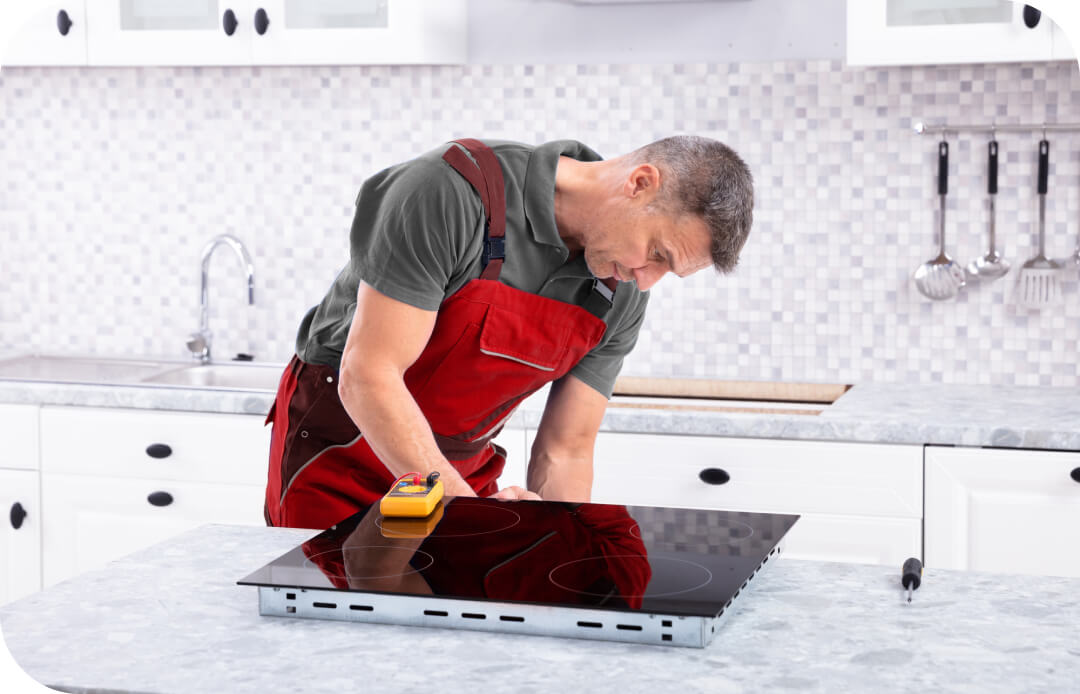
A glass cooktop is the sleek, modern centrepiece of many Florida kitchens, offering a seamless look and an easy-to-clean surface. However, that beauty comes with a degree of fragility. If you’ve recently noticed a hairline fracture or a significant spider-web crack across the surface, you are likely wondering if it’s still safe to boil a pot of water. According to the Cooktop Repair Experts in Palm Bay, FL, the short answer is usually no. Operating a damaged glass unit is not just a cosmetic issue; it is a significant safety hazard that can lead to electrical failures or even fires.
Understanding the structural integrity of your appliance is vital for home safety. Whether the damage was caused by a dropped spice jar or thermal shock, knowing the risks involved will help you decide when to call for a professional replacement or repair.
The Hidden Dangers of a Fractured Surface
The ceramic glass used in cooktops is engineered to withstand extreme heat, but it is also an insulator that protects you from the high-voltage heating elements underneath. When the glass cracks, that protective barrier is compromised.
- Risk of Electric Shock: In Florida’s humid climate, moisture from the air or a simple boil-over can seep through the crack. If liquid touches the internal electrical components or live wiring, it can cause a short circuit or give the user a dangerous electric shock.
- Expansion and Contraction: Glass expands when heated. A small hairline fracture might seem harmless at first, but as you cook, the heat causes the crack to grow. Eventually, the glass can shatter completely while you are standing right over it.
- Fire Hazards: When food particles or grease fall through a crack, they land directly on the internal wiring or the radiant heater. This buildup can ignite, leading to an internal appliance fire that is difficult to extinguish.
Why “Just One More Meal” Isn’t Worth It
It is tempting to ignore a small crack, especially if the burner you need still seems to function. However, the surface of a cooktop is designed to distribute weight and heat evenly. A crack ruins the structural tension of the entire pane. Placing a heavy cast-iron skillet or a large pot of water on a cracked surface puts immense pressure on the weakest point, which could lead to a sudden and catastrophic collapse of the glass.
For those dealing with faulty heating elements or broken stove glass, the danger increases with every use if your cooktop has an integrated touch control system; a crack near the sensors can cause the unit to malfunction, either refusing to turn off or cycling temperatures erratically.
Assessing the Damage: Can It Be Fixed?
Not all surface marks are cracks. Sometimes, what looks like a fracture is actually a “metal mark” from a copper-bottomed pan or a stubborn streak of burnt-on sugar. You can test this by gently feeling the mark with your fingernail (when the stove is completely cool). If your nail catches, it’s a crack.
If the damage is purely aesthetic—like light scratching—you can often buff it out with a specialized polishing cream. But if there is a literal split in the material, the glass assembly usually needs a full replacement. Attempting DIY cooktop fixes can make the problem worse if the glass is not seated correctly or if the thermal sensors are misaligned during the process, leading to even more expensive repairs down the road.
Professional Solutions for Palm Bay Residents
When the structural integrity of your kitchen’s main appliance is at stake, you need a technician who understands the specific brands and internal configurations of modern units. Whether you are dealing with an induction system or a traditional radiant electric top, getting an expert opinion is the fastest way to return to a stress-free cooking environment. RMJP Appliance Repair provides specialized diagnostic services to determine if a glass replacement is cost-effective or if the internal components have suffered moisture damage due to the breach.
Taking the Next Step for Kitchen Safety
If you see a crack, the best course of action is to unplug the unit or flip the circuit breaker immediately. Avoid the temptation to use “heat-resistant tape” or glass glue, as these are not rated for the intense temperatures a cooktop generates. Instead, look for reliable appliance restoration or stove top maintenance services to ensure your home remains safe.