
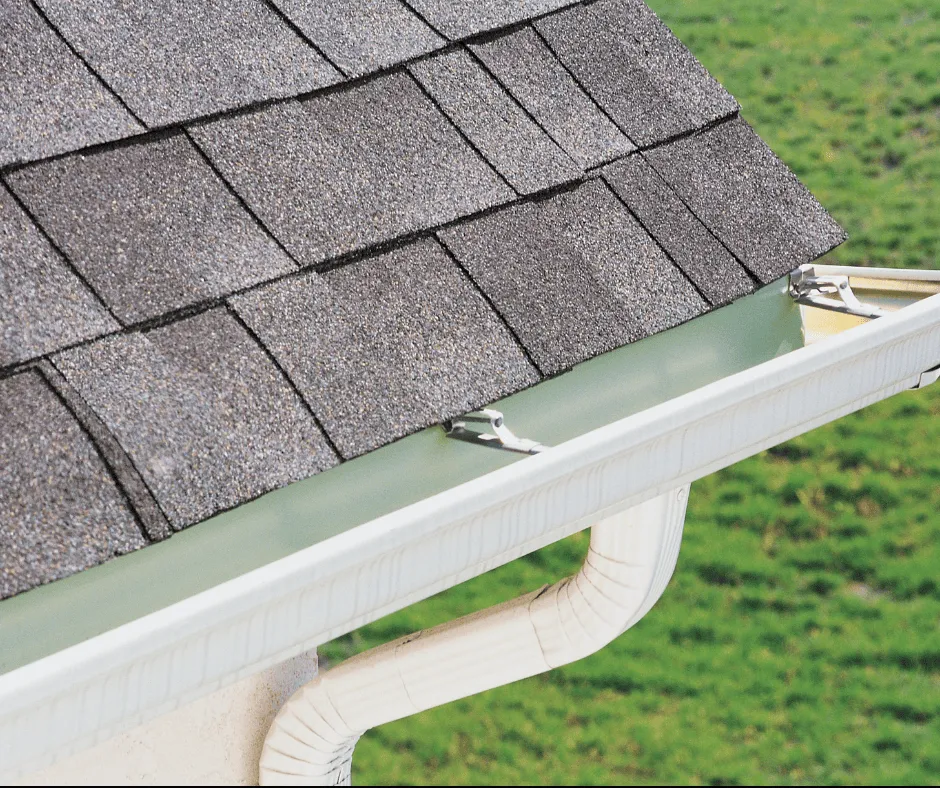
Choosing a drainage system is one of the most important decisions a homeowner can make to protect their property’s structural health. With so many materials, shapes, and sizes available, the process can feel overwhelming. However, selecting the correct setup is the only way to ensure that rainwater is directed safely away from your siding and landscaping. If your current system is failing, opting for Expert Gutter Replacement in Oklahoma City, OK, can prevent long-term moisture damage and give you peace of mind during the heavy storm seasons.
Understanding Gutter Materials
The material you choose dictates the longevity, price, and maintenance requirements of your system. Here are the most common options available on the market today:
- Aluminum: This is the most popular choice for residential homes. It is lightweight, rust-proof, and available in a wide array of colors to match your trim.
- Galvanized Steel: Known for its incredible durability, steel can withstand heavy snow loads and falling branches better than aluminum. However, it requires consistent maintenance to prevent rust over time.
- Copper: Often seen on historic or high-end luxury homes, copper is the “gold standard.” It develops a beautiful patina over time and can last for nearly a century, though it comes with a much higher price tag.
- Vinyl (PVC): These are the most budget-friendly and easiest for DIY enthusiasts to install. While they don’t rust, they can become brittle and crack in extreme temperature fluctuations or high-heat environments.
Sectional vs. Seamless: Which is Better?
When you begin looking at residential drainage solutions, you will have to choose between sectional and seamless designs. Sectional gutters are sold in pieces and joined together at the seams during installation. While cheaper initially, every seam is a potential leak point.
Seamless gutter installation is generally preferred by professionals. These systems are custom-measured and cut on-site from a single coil of metal. Because there are no breaks along the straight runs of the roofline, the risk of leaks is significantly reduced, and the aesthetic is much cleaner and more modern.
Selecting the Right Size and Style
The shape of the gutter, also known as the “profile,” affects both the look of your home and how much water it can carry.
- K-Style Gutters: These are the industry standard. They have a decorative front that mimics crown molding, making them blend in perfectly with modern architectural styles. Their flat back allows them to sit flush against the fascia board.
- Half-Round Gutters: Often found on older or European-style homes, these are shaped like a tube cut in half. They are excellent for water flow but can be more prone to debris buildup if not paired with leaf protection systems.
Size also matters. Most homes use 5-inch gutters, but if you have a very steep roof or live in an area prone to torrential downpours, upgrading to 6-inch gutters and oversized downspouts might be necessary to prevent overflow.
Professional Installation and Reliability
Even the most expensive materials will fail if they aren’t installed with the correct pitch. A gutter must slope slightly toward the downspouts—usually about a quarter-inch for every ten feet—to ensure water doesn’t stand still. Stagnant water leads to mosquito breeding and heavy ice dams in the winter.
Using a professional service like New Covenant Roofing LLC ensures that your home’s specific roof pitch and square footage are calculated correctly. A team of experts can identify if your fascia boards need repair before the new system is mounted, ensuring a secure fit that won’t sag after the first big storm.
The Importance of Effective Drainage
Investing in high-quality materials ensures that your gutter systems improve water management across your entire property. When water is harvested and directed correctly, you avoid the “curtain of water” effect that can ruin your flower beds and cause soil erosion. Furthermore, well-placed downspout extensions keep the exit point far enough away from the house to protect the integrity of your concrete slabs and basement walls.
Properly functioning downspout systems are the final piece of the puzzle. Without enough exit points, even the best gutters will back up and overflow. If you are unsure how many downspouts your home needs, a professional assessment by New Covenant Roofing LLC can provide a customized plan tailored to your local climate and roof complexity.
Conclusion: Making a Long-Term Investment
Choosing the right gutters is about balancing aesthetics with functionality. By selecting a durable material like aluminum or steel and opting for a seamless design, you significantly reduce the amount of time and money spent on future repairs. Remember, your gutters are not just an accessory; they are a functional shield that keeps your home dry and stable.