
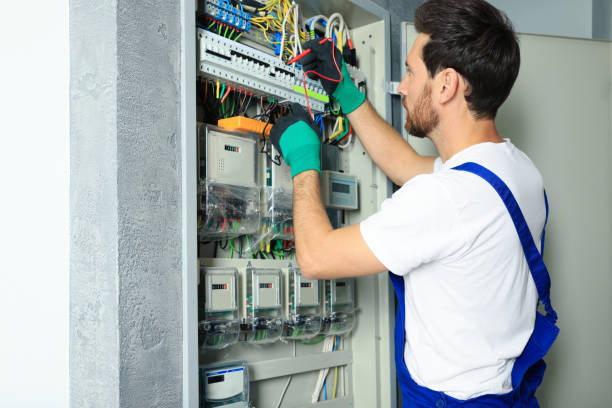
Living in the Sunshine State offers a beautiful lifestyle, but the local environment presents unique challenges to your property’s infrastructure. From the salt-heavy air of the Gulf to the frequent lightning strikes of the summer months, your home’s electrical system is under constant environmental stress. When seeking professional Electrical Services in Tampa, FL, it is vital to understand that local expertise is required to handle these specific regional demands. At Doolbar Electrical Contracting Service LLC, we believe that education is the first step toward a safer home.
What You Should Know is that electrical problems aren’t always loud or obvious. Many issues hide behind drywall or inside breaker panels, slowly deteriorating until they become a fire hazard. Below, we explore the most frequent wiring hurdles found in local residences and the professional solutions needed to fix them.
1. Corroded Panels and Coastal Oxidation
One of the most frequent issues we encounter is terminal corrosion. For homes located near Old Tampa Bay or the Hillsborough River, the salt-laden humidity acts as a catalyst for oxidation. When moisture enters an electrical panel, it causes the copper or aluminum bus bars to rust.
- The Problem: High resistance at the connection points, which leads to arcing and overheating.
- The Fix: A professional electrical panel upgrade or a thorough cleaning and resealing of the enclosure. In severe cases, relocating the panel to a climate-controlled interior space is the best long-term solution.
2. The Danger of “Octopus” Wiring and Overloaded Circuits
Many of Tampa’s historic homes in neighborhoods like Ybor City or Hyde Park were wired long before the era of high-definition TVs, air fryers, and home offices. Homeowners often resort to “octopus wiring”—plugging multiple power strips and extension cords into a single outlet.
- The Problem: This creates a massive draw on a single circuit not designed for such a load, causing the wires to heat up and potentially melt the insulation.
- The Fix: The installation of dedicated circuits for high-draw appliances. By running new lines directly from the breaker box to specific rooms, you distribute the load safely and reduce the risk of a tripped breaker.
3. Ungrounded Two-Prong Outlets
If your home still features two-prong outlets, it lacks a dedicated grounding wire. In the event of a surge or a short, there is no “escape route” for the electricity, which means it could travel through your body or fry your expensive electronics.
- The Problem: Increased risk of electric shock and a lack of surge protection for modern devices.
- The Fix: What You Should Know is that simply swapping a two-prong outlet for a three-prong one without adding a ground wire is dangerous and against code. The correct fix involves rewiring the circuit with a ground wire or installing GFCI (Ground Fault Circuit Interrupter) outlets, which can detect a leak and shut off power instantly.
4. Flickering Lights and Loose Neutral Connections
Do your lights dim every time the air conditioner kicks on? While a slight flicker is common in older systems, persistent dimming often points to a loose neutral wire in the main panel or at the weather head where power enters your home.
- The Problem: A loose neutral can cause voltage fluctuations that damage motors in your appliances and lead to premature bulb burnout.
- The Fix: An electrician must perform a torque check on all main lugs and ensure the utility company’s connection is secure. If you are experiencing this, contacting Doolbar Electrical Contracting Service LLC for a diagnostic check can prevent a total power failure.
5. Outdated Aluminum Wiring (1960s – 1970s Homes)
Many suburban developments in the Tampa area built during the mid-century used aluminum wiring instead of copper due to rising metal costs. Aluminum expands and contracts more than copper, leading to loose connections over time.
- The Problem: Loose aluminum connections are a leading cause of residential electrical fires.
- The Fix: While a full copper house rewiring is the gold standard, a more cost-effective fix involves “AlumiConn” connectors or “CO/ALR” rated devices. These specialized connectors create a safe transition between the aluminum wire and copper terminals.
6. Lightning and Surge Vulnerability
Tampa is often called the “Lightning Capital of North America.” Standard surge protectors (power strips) are insufficient for the massive spikes caused by local thunderstorms.
- The Problem: Surges degrade the sensitive microchips in your smart home devices, refrigerators, and HVAC systems over time.
- The Fix: Installation of a Whole-Home Surge Protector directly at the main service panel. This device shunts excess voltage to the ground before it ever enters your home’s internal wiring.
7. Faulty DIY Repairs and “Handyman” Specials
During the recent Florida real estate boom, many “flipped” houses hit the market with questionable electrical work. We often find open junction boxes, mismatched wire gauges, and reversed polarity.
- The Problem: Improper wiring can pass a basic home inspection but fail under the stress of daily use, leading to “hot” outlets or hidden arcing behind walls.
- The Fix: A comprehensive electrical safety inspection. Professional Electrical Services in Tampa, FL, include using thermal imaging cameras to find “hot spots” behind walls that aren’t visible to the naked eye.
Ensuring a Safe Future for Your Home
Electrical safety is not a place to cut corners. Whether you are dealing with a buzzing breaker or just want to ensure your family is protected from the next big storm, proactive maintenance is key. Doolbar Electrical Contracting Service LLC is committed to providing the Tampa community with transparent, code-compliant, and high-quality electrical solutions.
Modernizing your home’s wiring doesn’t just provide peace of mind; it increases your property value and ensures your insurance premiums remain manageable in the Florida market. Don’t wait for a spark to tell you there is a problem.