
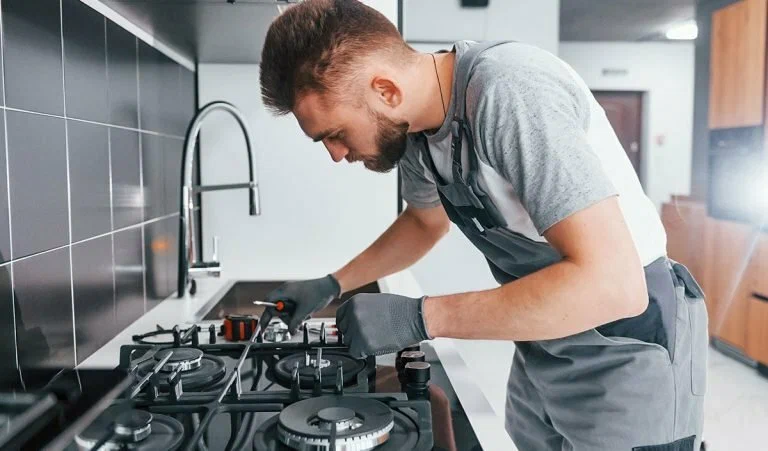
Florida is famous for its sunshine, but for a homeowner, the climate is a double-edged sword. The relentless combination of high humidity, salt-heavy breezes, and tropical heat creates a punishing environment for indoor machinery. Your kitchen, often the warmest room in the house, bears the brunt of these conditions. When your stove begins to flicker or fail, it is usually a direct result of these environmental stressors. In such cases, connecting with Cooktop Repair Experts in Palm Bay, FL, is the most effective way to ensure your appliance is restored to factory standards using parts designed to withstand the local climate.
The Silent Threat: Ambient Humidity
In most parts of the country, “room temperature” is a stable metric. In Florida, however, the moisture content in the air can fluctuate wildly. For kitchen appliances, especially those with integrated motherboards and digital interfaces, humidity is a silent killer.
As warm, moist air enters the kitchen, it can condense on the cooler internal metal components of your oven or cooktop. This leads to intermittent electrical shorts or “phantom button presses” on touchscreens. Over time, this moisture promotes the growth of mildew or fine-layer oxidation on copper wiring, leading to a total loss of power.
Salt Air and Metallic Corrosion
If you live within a few miles of the coast, your appliances are constantly “breathing” salt. Sodium chloride is highly reactive with the alloys used in heating elements and gas burner assemblies.
- Electric Coils: The connection points (blocks) where the coil plugs in can develop a layer of salt crust, leading to poor conductivity and overheating.
- Gas Valves: Salt can cause the delicate springs and seals within a gas valve to stick, preventing the burner from receiving the correct fuel-to-air ratio.
The Impact of Tropical Heat on Cooling Systems
While we often focus on things that get hot, the Florida heat also forces your refrigerator and freezer to work overtime. When the ambient temperature in the kitchen rises, the compressor must run longer cycles to maintain food safety temperatures. This leads to compressor burnout and premature seal failure. Ensuring your kitchen is well-ventilated is crucial, but even the best airflow sometimes isn’t enough to prevent a mechanical breakdown during a record-breaking July heatwave.
Power Grid Instability and Surge Damage
Florida leads the nation in lightning strikes. These atmospheric discharges cause massive fluctuations in the local power grid. While a “surge” sounds like a single event, Florida homes often experience “brownouts”—drops in voltage—that are just as damaging. Low voltage causes motors to pull more current, which can melt the insulation on the wiring of your dishwasher or range hood.
Identifying the Most Common Cooktop Problems
Beyond the environmental factors, everyday wear and tear in a humid climate leads to specific mechanical failures. Dealing with the most common cooktop problems—such as faulty spark igniters that click incessantly, cracked ceramic tops, or “runaway” temperature sensors—requires a diagnostic approach that accounts for the Florida environment. Whether it’s a gas leak or a dead induction zone, identifying the root cause early prevents a small fix from turning into a full appliance replacement.
Professional Solutions for Palm Bay Residents
When your kitchen suite begins to show signs of struggle, you need a service provider that understands the local landscape. RMJP Appliance Repair offers specialised technical support for homeowners dealing with the aftermath of moisture damage and electrical instability. By using high-grade replacement appliance parts and professional-grade sealing techniques, they help fortify your machines against the unique Florida elements.
Protecting Your Investment
To keep your kitchen running smoothly, consider installing a dehumidifier in your home and using a dedicated surge protector for your high-end appliances. Regularly wiping down the exterior of your stove to remove salt residue can also go a long way in preventing surface rust.