
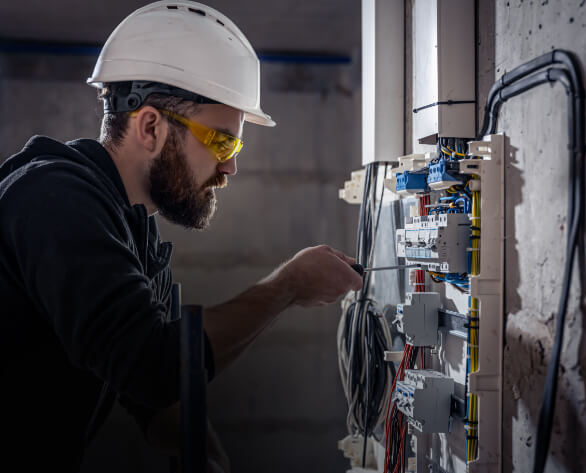
When living in a historic Florida bungalow or a mid-century ranch, the charm of the architecture often comes with hidden electrical risks. The unique combination of coastal humidity and aging infrastructure means that maintaining high-quality Electrical Services in Tampa, FL, is not just a luxury—it is a safety requirement. What You Should Know is that electrical fires are often preventable if you can recognize the subtle “cries for help” your home’s wiring sends out before a catastrophe occurs.
Understanding these warning signs allows you to act before a minor inconvenience turns into a costly emergency electrical repair.
1. The Persistent “Burning” Smell
The most urgent warning sign is a faint, acrid smell similar to burning plastic or vinyl. This odor typically indicates that the insulation on your wires is overheating or melting. In older Florida properties, heat buildup is common when modern high-draw appliances are connected to circuits never designed to handle them.
If you notice this scent near an outlet or your breaker box, shut off the main power immediately. This is a classic symptom of an electrical short circuit that could ignite surrounding wooden studs or insulation.
2. Discolored or Warm Outlet Covers
Have you ever touched a light switch or a wall plug and noticed it felt unusually warm? Or perhaps you’ve seen brownish “char” marks around the plug entries? This is a sign of arcing, where electricity jumps across a gap in a loose connection, creating intense heat.
In our humid climate, internal corrosion can accelerate this process. If you see discoloration, do not use that outlet. It is a clear indicator that the internal metal contacts are failing and require a professional outlet replacement to prevent a fire.
3. Persistent Flickering or Dimming Lights
While many people assume flickering lights are just a sign of a bad bulb, it often points to a deeper issue with the electrical panel. If your lights dim specifically when the air conditioner or the refrigerator kicks on, your system is struggling to distribute power.
This “voltage drop” suggests that your home’s amp service (often only 60 or 100 amps in older homes) is insufficient for 21st-century living. Modern homes typically require at least 200 amps to run HVAC systems, kitchen tech, and EV chargers simultaneously.
4. The “Buzzing” or Sizzling Sound
Electricity should be silent. If you hear a faint buzzing, humming, or sizzling sound coming from behind your walls or inside a switch, you are likely hearing a “spark” or a loose wire. These sounds are common in homes with aluminum wiring, which was widely used in Florida during the 60s and 70s and is prone to loosening at the terminals.
5. Frequently Tripping Breakers
A circuit breaker’s job is to “trip” and cut power when the system is overloaded. If you find yourself walking to the garage or the side of the house once a week to flip a switch back on, your system is telling you it’s overtaxed.
Continuous tripping is a major red flag. It means the safety mechanism is working, but it’s being pushed to its limit. Relying on a worn-out breaker can lead to a failure where it doesn’t trip during the next surge, leading to a dangerous home wiring problem scenario that puts your entire property at risk.
6. Loose or Wobbly Plugs
In older homes, outlets can become “loose” over time, meaning the plug falls out easily or doesn’t feel snug. This isn’t just a nuisance; it creates a high-resistance connection. High resistance generates heat, and heat leads to fire. Upgrading to modern, tamper-resistant receptacles is a simple way to improve the safety of your living space.
Why Professional Intervention Matters
Attempting to patch up these issues with DIY fixes can often make the situation worse. In the Tampa Bay area, Doolbar Electrical Contracting Service LLC provides specialized diagnostic services to uncover these hidden hazards. From GFCI outlet installation in damp areas to full electrical heavy-ups for aging panels, having a licensed expert ensures the work meets the National Electrical Code (NEC).
Florida’s building codes are strict for a reason. Our proximity to the ocean and the intensity of our storm seasons mean that “standard” wiring often isn’t enough. You need solutions that can withstand the salt, the heat, and the high-voltage surges from lightning.
Taking the Next Step for Safety
If your home is more than 30 years old, it is highly recommended to schedule a professional electrical audit. Most of the dangers mentioned above—like melting insulation or corroded grounding wires—are hidden behind drywall and are only visible to a trained eye with the right thermal imaging tools.
At Doolbar Electrical Contracting Service LLC, we prioritize the safety of our local community. We don’t just fix wires; we provide peace of mind by ensuring your home’s electrical skeleton is strong enough to support your modern lifestyle. Don’t wait for a spark to become a flame—listen to what your home is trying to tell you today.