
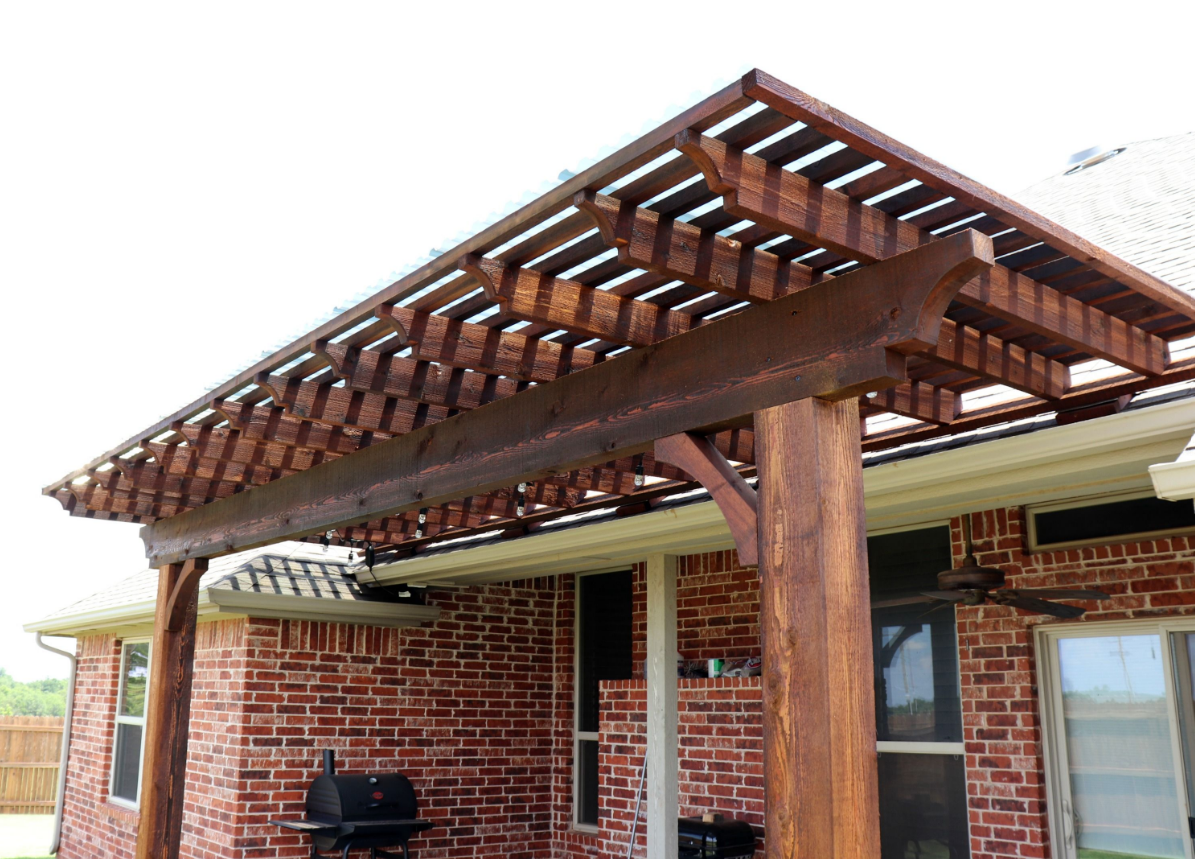
Maintaining an outdoor oasis is a dream for many homeowners, but the reality of exposure to the elements means constant vigilance is required. What You Should Know is that your deck or gazebo is under a relentless assault from UV rays, rain, and fluctuating temperatures. If you’ve started to notice your beams splitting or the wood feeling soft, seeking a professional Pergola Repair Service in Piedmont City, OK, is the first step toward salvaging your investment. Acting quickly when you spot the initial signs of weathering can prevent a minor touch-up from turning into a full-scale demolition project.
Where Does Weather Damage Start on Outdoor Wood Structures?
Weather damage rarely happens all at once; it’s a creeping process that begins in the most vulnerable “hiding spots” of your structure. To protect your backyard assets, you need to know exactly where to look before the damage becomes irreversible.
1. Horizontal Surfaces and Water Pooling
The most frequent starting point for decay is on any flat, horizontal surface. Unlike vertical posts, where water can run off, rafters, joists, and floorboards allow water to sit.
- Capillary Action: Water seeps into the end grain of the wood, pulling moisture deep into the fibers.
- Standing Water: If your pergola or deck boards aren’t properly sloped or spaced, “puddling” occurs. This softens the wood and invites fungal growth.
- Checking and Splitting: The sun dries the top layer of wood faster than the interior, causing the surface to “check” or crack, which then creates even deeper channels for water to enter.
2. Ground Contact and Concrete Pockets
Even pressure-treated lumber isn’t invincible against constant soil moisture. Damage often starts at the very bottom of your support posts.
- Trapped Moisture: When wooden posts are set directly into concrete “sleeves” without proper drainage, water collects at the bottom of the hole. This creates a “bathtub effect” where the wood sits in water indefinitely.
- Soil Erosion: If dirt or mulch is piled up against the base of the wood, it creates a bridge for moisture and wood-destroying insects like termites and carpenter ants to bypass the protective outer layers.
3. Connection Points and Hardware Housing
The spots where two pieces of wood meet—especially where metal fasteners are involved—are primary zones for timber decay.
- Oxygen and Moisture: Metal bolts and screws can conduct heat and cold, causing condensation inside the bolt hole. This internal moisture rots the wood from the inside out, often leaving the exterior looking perfectly fine.
- Galvanic Corrosion: In older structures, incompatible metal hangers can react with the chemicals in treated wood, leading to structural hardware failure and weakening the joints that hold the roof or canopy in place.
The Role of Sun and UV Exposure
While rain is the catalyst for rot, the sun is the catalyst for structural fatigue. UV rays break down lignin, the natural glue that holds wood fibers together. This process, known as “photodegradation,” turns wood grey and brittle. Once the surface is compromised by the sun, it becomes porous, making it even more susceptible to the next heavy rainstorm. Using high-quality UV-resistant wood sealants is essential to stop this cycle of deterioration.
Professional Assessment and Prevention
If you have noticed significant grey-out, warping, or soft spots in your beams, it is likely time to fix outdoor structures in Oklahoma before the high winds and heavy humidity of the upcoming season cause further movement. Delaying these repairs often leads to “racking,” where the entire structure begins to lean because the primary support joints have lost their grip.
Choosing a reliable contractor is vital for ensuring the longevity of your backyard. New Covenant Roofing & Construction offers expert evaluation of wood density and structural stability, helping homeowners decide whether a simple joist reinforcement or a complete beam replacement is necessary to keep the area safe for hosting.
Final Thoughts on Outdoor Longevity
By keeping an eye on horizontal beams, post bases, and hardware connections, you can catch weather damage in its infancy. Routine maintenance, such as clearing debris from the roof and reapplying a water-repellent finish every two to three years, will significantly extend the life of your timber.