
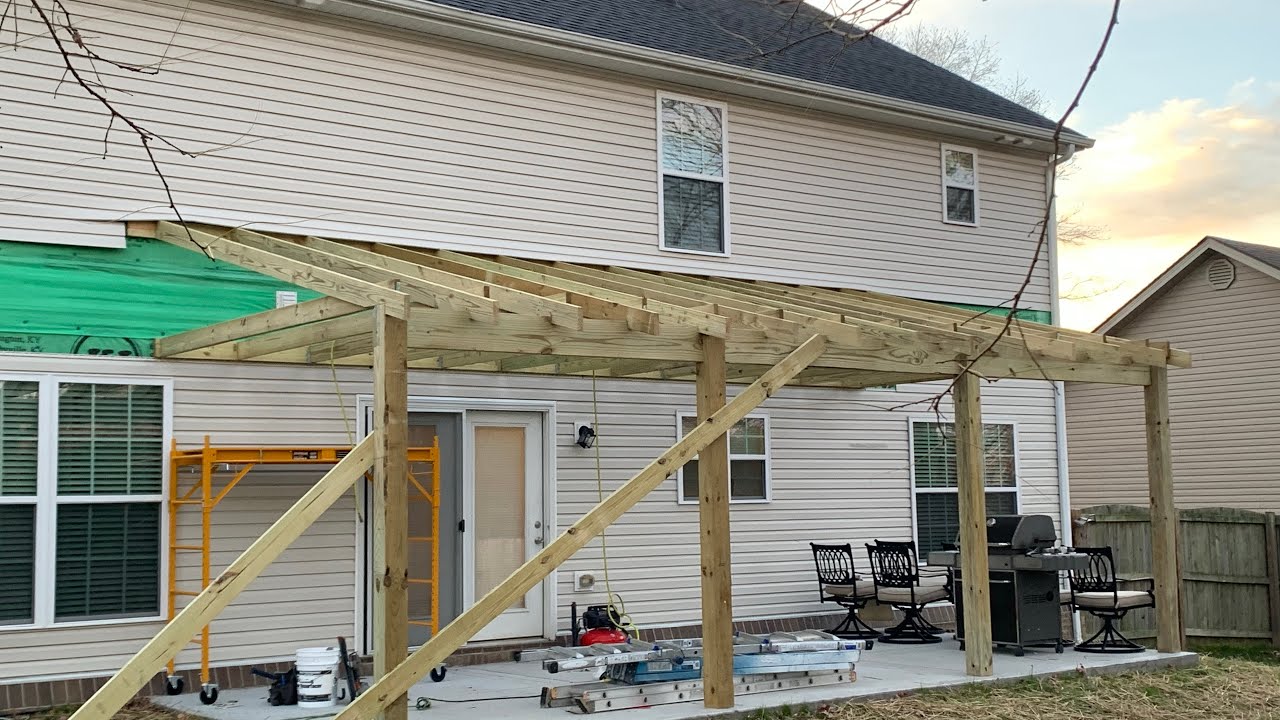
Maintaining the aesthetic and structural integrity of your outdoor living space is about more than just “curbing appeal”—it is about safety. Whether you have a custom deck, a gazebo, or a stylish pergola, these structures are constantly battling the elements. Over time, Oklahoma’s volatile weather can turn a minor blemish into a major safety hazard.
What You Should Know is that early detection is the secret to avoiding a total teardown. If you’ve started noticing sagging beams or wobbly posts, look for a professional Pergola Repair Service in Piedmont City, OK, to assess the stability of your backyard retreat before the next storm season hits.
1. Structural Instability: The “Wobble” Test
One of the most immediate red flags for any backyard structure is movement. A well-built pergola or deck should feel like an extension of your home’s foundation—solid and unmoving.
- Leaning or Swaying: If your structure sways when the wind blows or shifts when you lean against it, the lateral bracing or the hardware connections are failing.
- Loose Post Anchors: Check the base of your posts. If the metal anchors are rusted through or the bolts have loosened, the entire structure is at risk of collapse.
- Stair and Railing Give: On decks or elevated platforms, loose railings are a primary cause of backyard injuries. If there is more than an inch of “give,” immediate repair is required.
2. Wood Rot and Termite Damage
In Piedmont, humidity and soil moisture can lead to the silent destruction of timber. Wood rot usually starts where the wood meets the ground or at the joints where water tends to pool.
Identifying the Type of Rot
- Dry Rot: This looks like cracked, powdery wood that crumbles to the touch. It spreads like a fungus and can compromise a beam’s load-bearing capacity in months.
- Wet Rot: Usually accompanied by a musty smell and a spongy texture. If you can poke a screwdriver into the wood and it sinks in easily, the fibers are gone.
If you are dealing with extensive timber decay, New Covenant Roofing & Construction specializes in identifying structural compromises that the untrained eye might miss. From replacing structural headers to reinforcing joists, their team ensures your outdoor space remains a haven for your family.
3. Roofing and Canopy Failures
For structures with covers—like pavilions or roofed pergolas—the “ceiling” is often the first place to show distress.
- Sagging Rafters: If the horizontal beams of your pergola are starting to “smile” (bowing downward in the middle), they were either undersized for the span or have been weakened by moisture. This requires a professional Pergola Repair Service in Piedmont City, OK, to install sister beams or replace the rafters entirely.
- Shingle or Metal Leaks: For solid-roof structures, water stains on the underside of the ceiling indicate a breach in the roofing material. Left unchecked, this water will rot the internal frame.
- Debris Accumulation: Excessive leaves and branches trap moisture against the wood, accelerating decay.
4. Hardware Corrosion and Rusted Connectors
Bolts, screws, and joist hangers hold together the “skeleton” of your backyard structure. While modern builders use galvanized or stainless steel, older structures often have hardware that is prone to oxidation.
The Danger of “Rust Bleeding”
If you see dark streaks running down the wood from a bolt hole, that is “rust bleeding.” This indicates that the fastener is disintegrating inside the wood. Eventually, the bolt can snap, leading to a catastrophic failure of a support beam. Replacing old, rusted nails with heavy-duty structural screws and weather-rated hardware is a critical maintenance step for outdoor structure restoration.
5. Foundation and Soil Erosion
The ground beneath your structure is just as important as the materials used to build it. Oklahoma’s clay-heavy soil expands and contracts significantly with moisture levels.
- Heaving Footings: If the concrete piers are pushing out of the ground, it means they weren’t buried deep enough below the frost line.
- Soil Washout: Heavy rains can wash away the dirt supporting your structure’s foundation. If you see the bottom of a concrete footing exposed, your structure is effectively “floating” and is no longer properly supported.
New Covenant Roofing & Construction provides comprehensive inspections that look beyond the surface. Their expertise in backyard construction and maintenance ensures that your foundation is secure and your drainage is managed to prevent future erosion issues.
6. Cosmetic vs. Structural: When to Worry?
Not every crack is a crisis. “Checking” is a natural process where wood develops small cracks along the grain as it seasons. However, you should worry if:
- The crack goes all the way through the beam.
- The crack occurs at a connection point or joint.
- The wood is splintering and flaking excessively (a sign of UV degradation).
Investing in professional wood staining and sealing can prevent these cosmetic issues from turning into structural failures. Regular sealing creates a moisture barrier that keeps the wood fibers tight and resilient against the Oklahoma sun.
Conclusion: Don’t Wait for a Collapse
Your backyard should be a place of relaxation, not a source of anxiety. If you notice any of these warning signs—from swaying posts to rusted hardware—taking action now will save you thousands of dollars in total replacement costs later. Whether it’s a simple hardware upgrade or a complex timber frame repair, addressing these issues early ensures your outdoor investment lasts for decades.